A kitchen reference
How to cook, and why it works.
Plain answers to kitchen questions: which pot to buy, how to handle raw chicken, when food is done and safe. The answer first, then the reasons, with every number sourced.
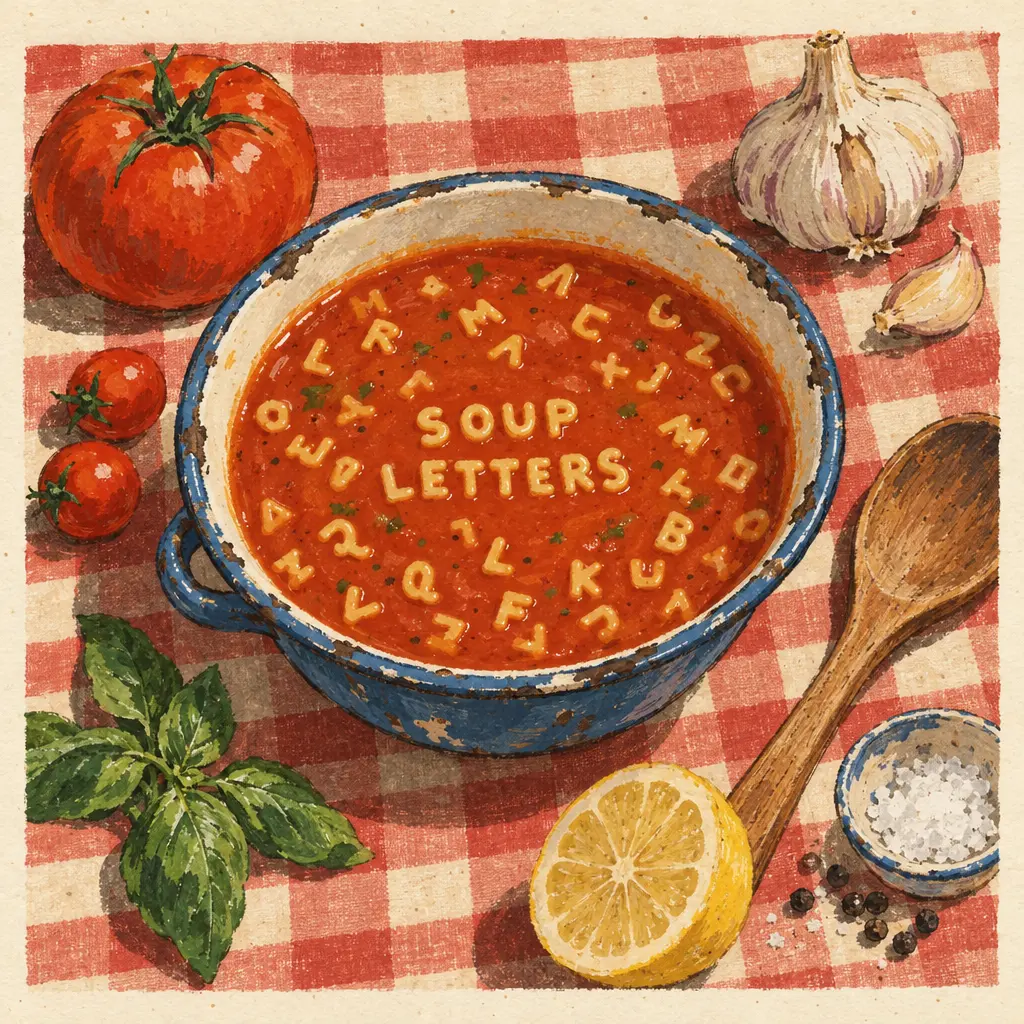
165°F · 74°C
Poultry is safe to eat once its thickest part reaches 165°F (74°C), measured with a food thermometer.
Start here
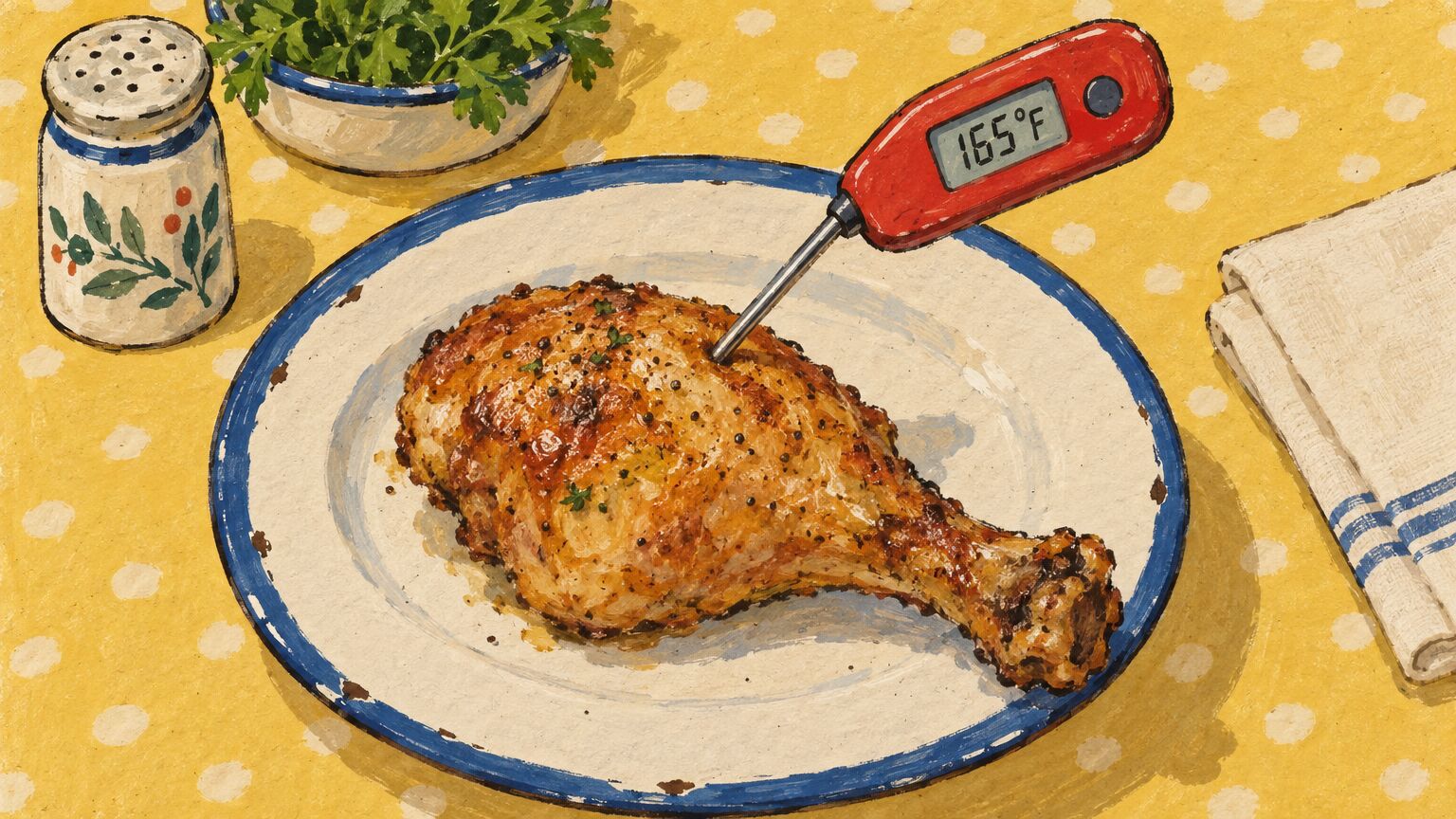 What internal temperature should chicken be cooked to?The safe number, why it is 165°F (74°C), where to put the thermometer, and why thighs taste better hotter.Read the answer
Recently added
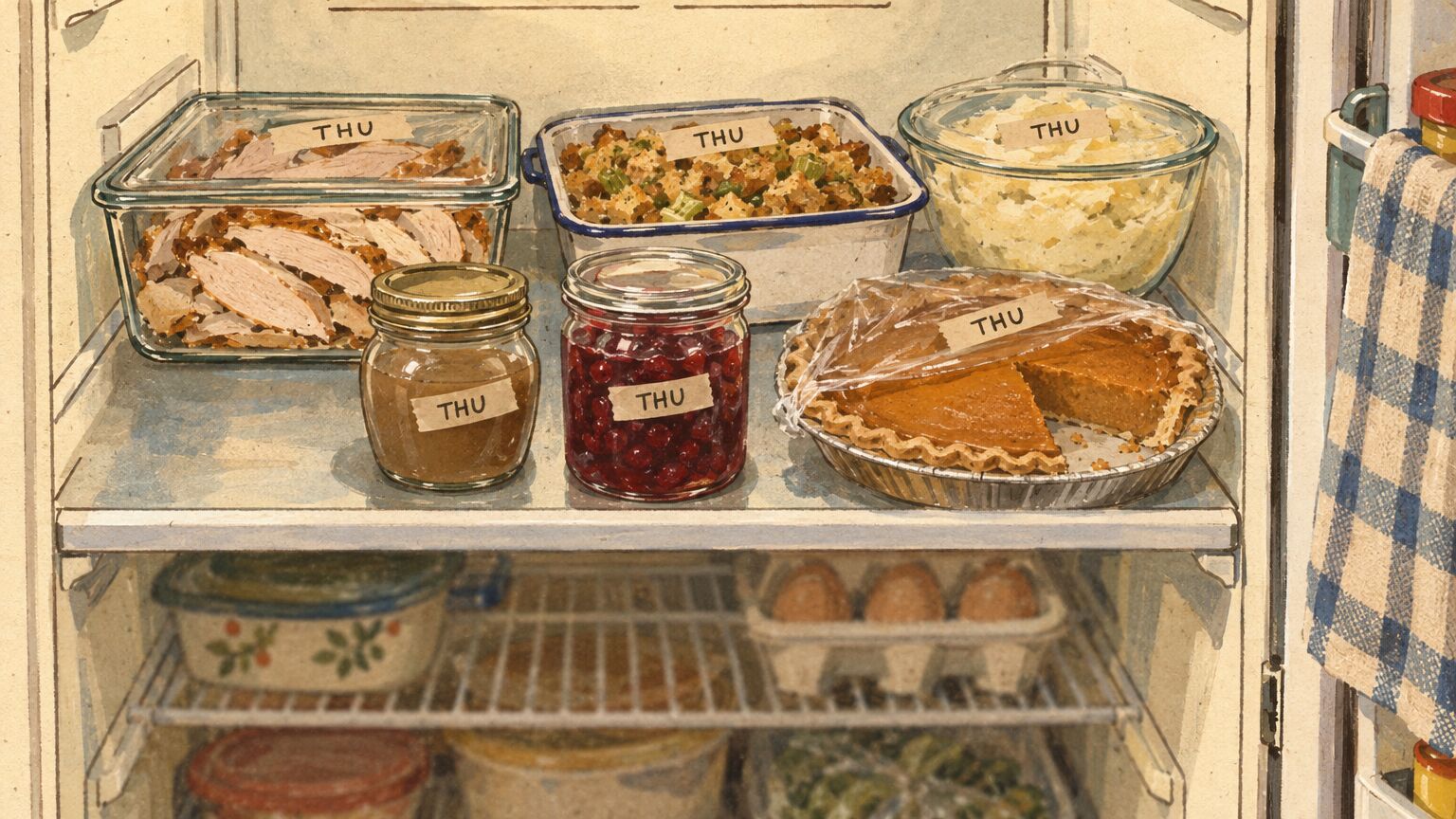 How long do Thanksgiving leftovers last?One table for the full fridge on Saturday morning: what to eat, what to freeze and what to throw out, dish by dish, with the source for every number and the places where agencies disagree.
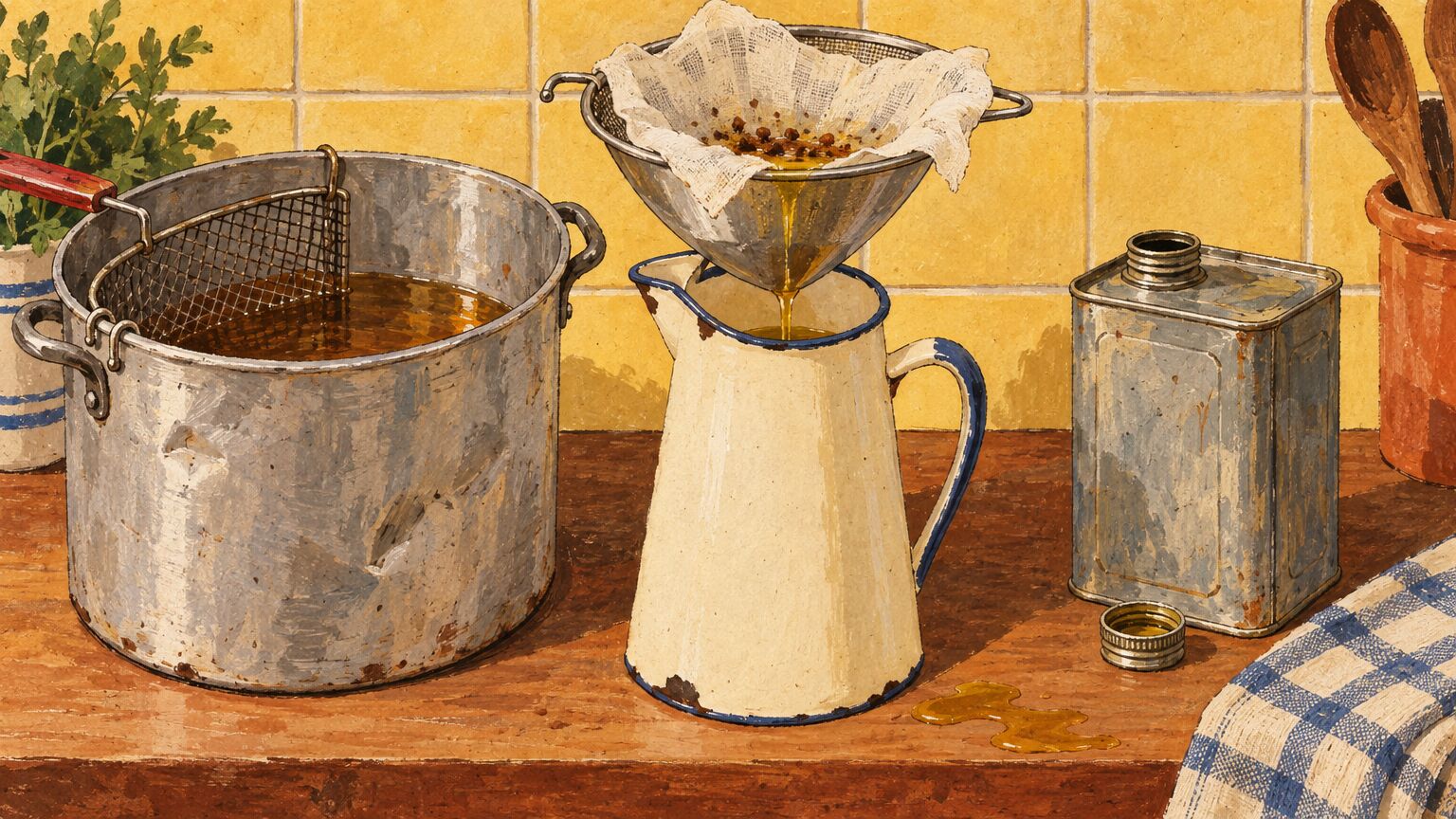 How many times can you reuse frying oil?Why a count is the wrong unit, what food inspectors measure instead, the signs that oil is finished, and how long the USDA says strained oil keeps, turkey oil included.
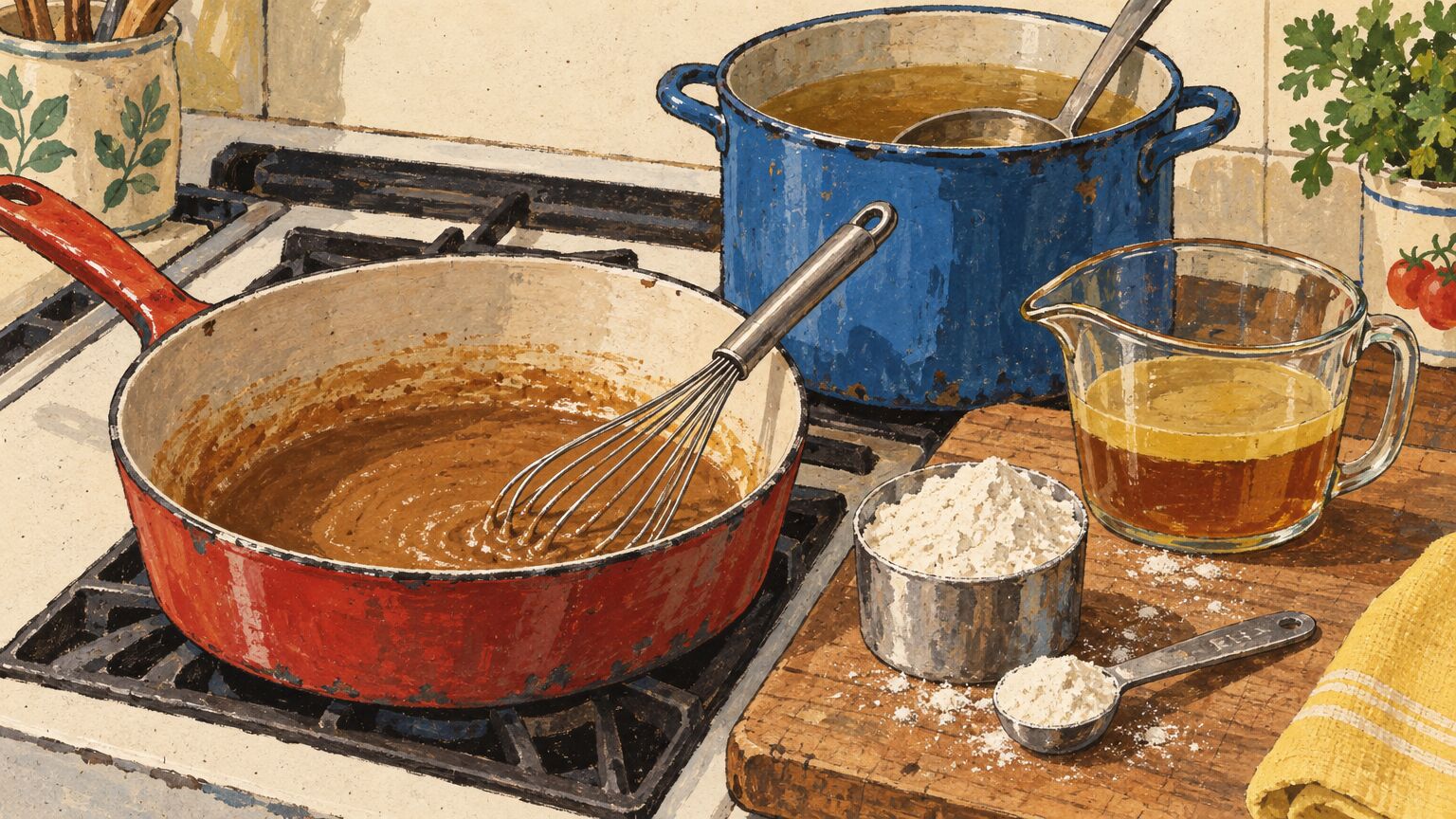 How much flour do you need to thicken gravy?The flour and fat for every cup and quart of liquid, a step-by-step for turkey gravy, why a browned roux needs more flour, why lumps form, and how to rescue gravy that is thin, thick, lumpy, greasy or salty.
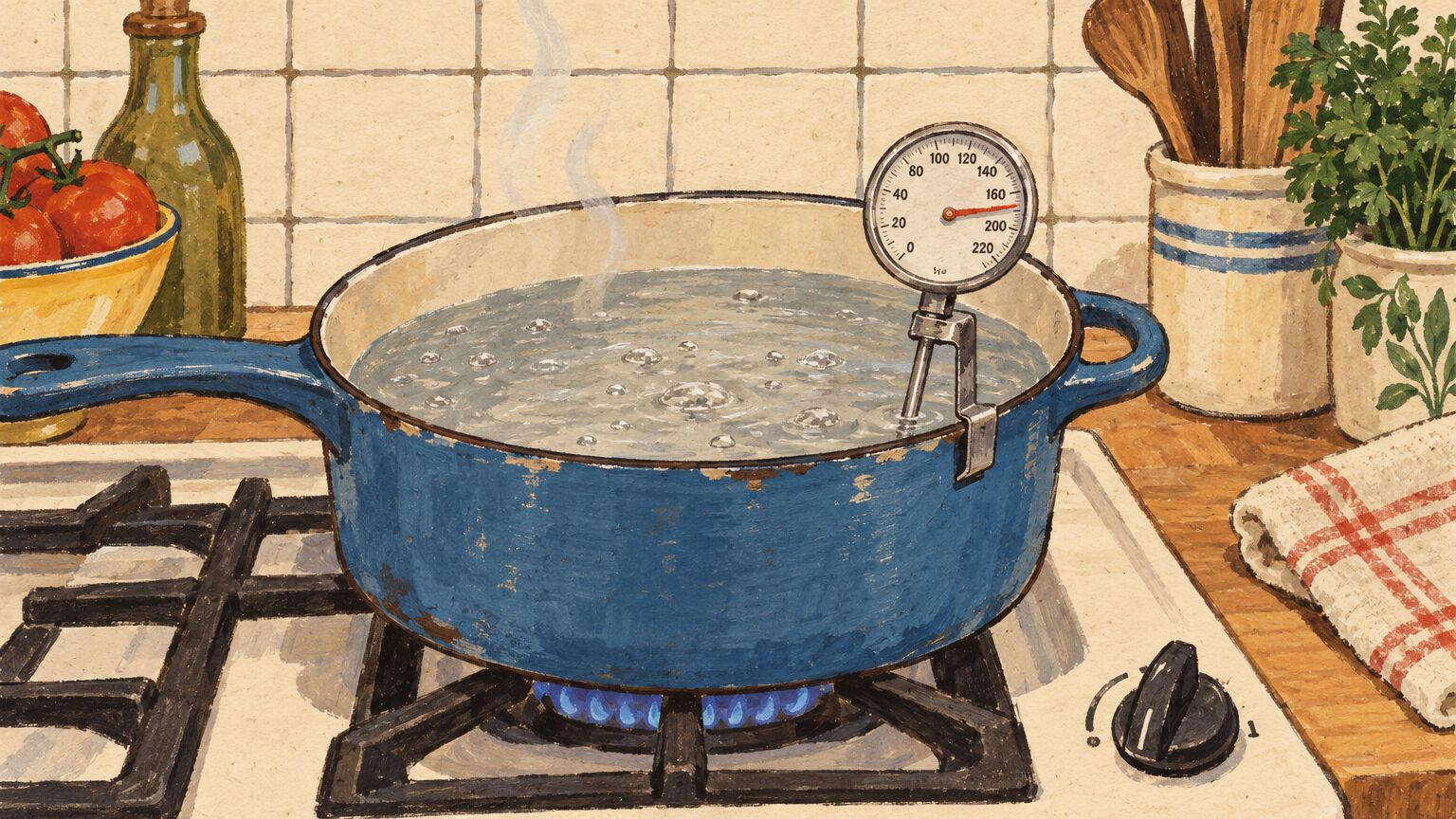 What temperature is a simmer?The numbers from the textbooks and where they disagree, what each stage looks like in the pot, why no number on the stove dial is a simmer, and how altitude moves the simmer down with the boil.
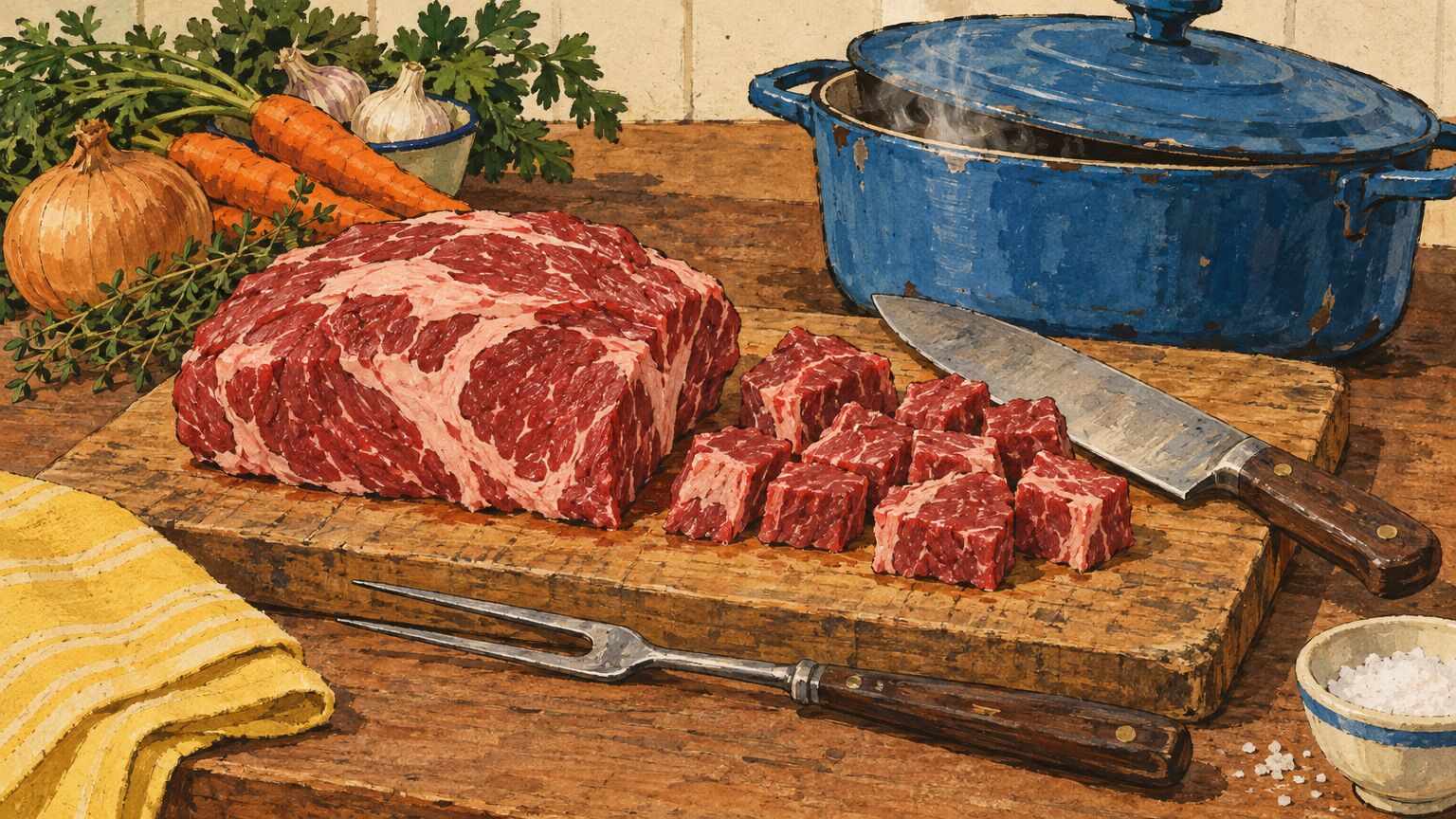 Why is my beef stew meat tough?Tough stew meat usually needs more time, not a rescue. How to tell undercooked from overcooked, and how much longer to go on the stove, in a slow cooker or under pressure.
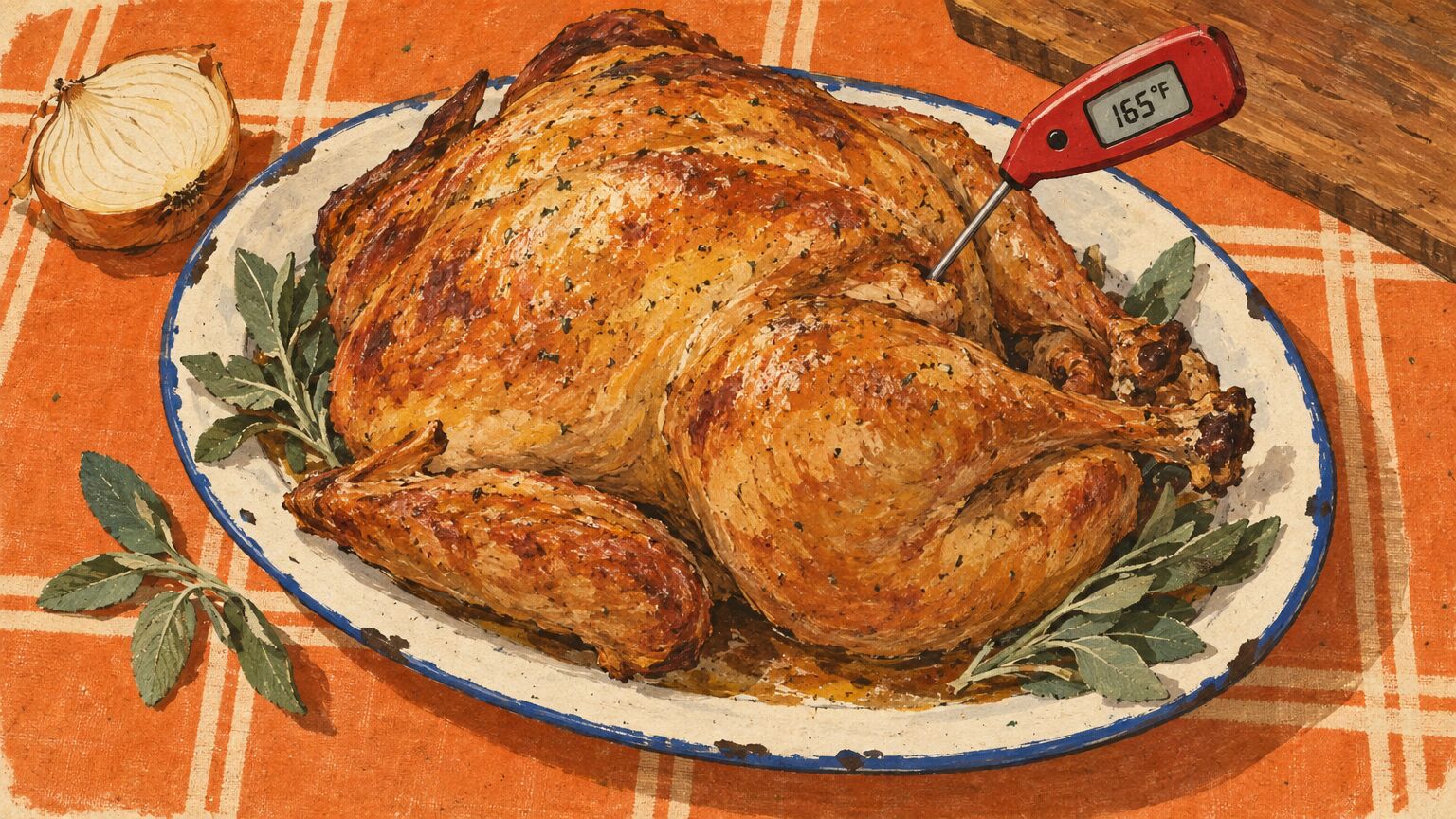 What internal temperature should turkey be cooked to?The safe number, the three places to measure it, why old charts say 180°F (82°C), what the pop-up timer gets wrong, and what to do about stuffing.
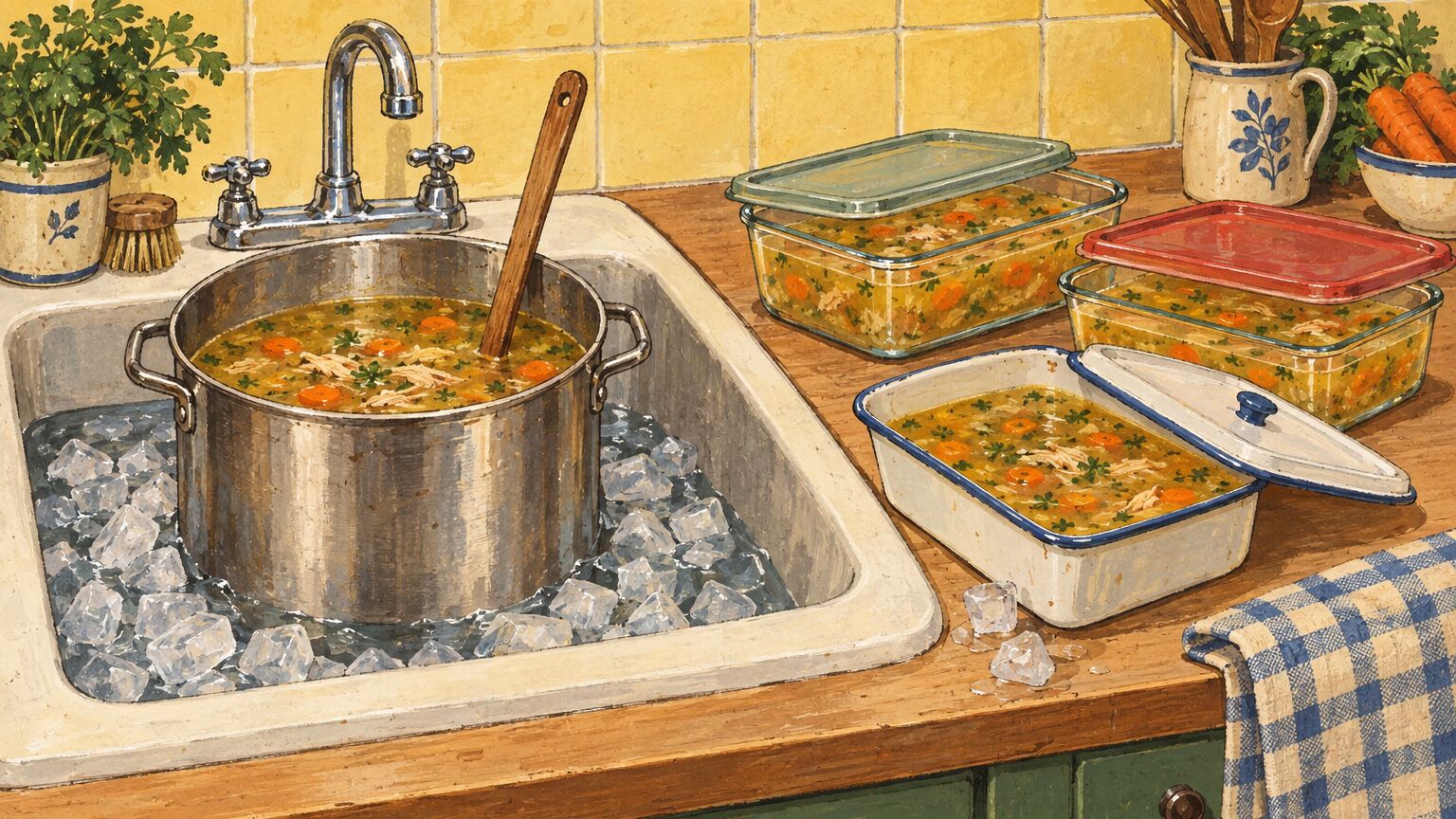 Can you put hot soup in the fridge?Why the USDA, the FDA, America's Test Kitchen and the UK seem to disagree, how long a full pot takes to cool, and the method that gets soup cold in time.
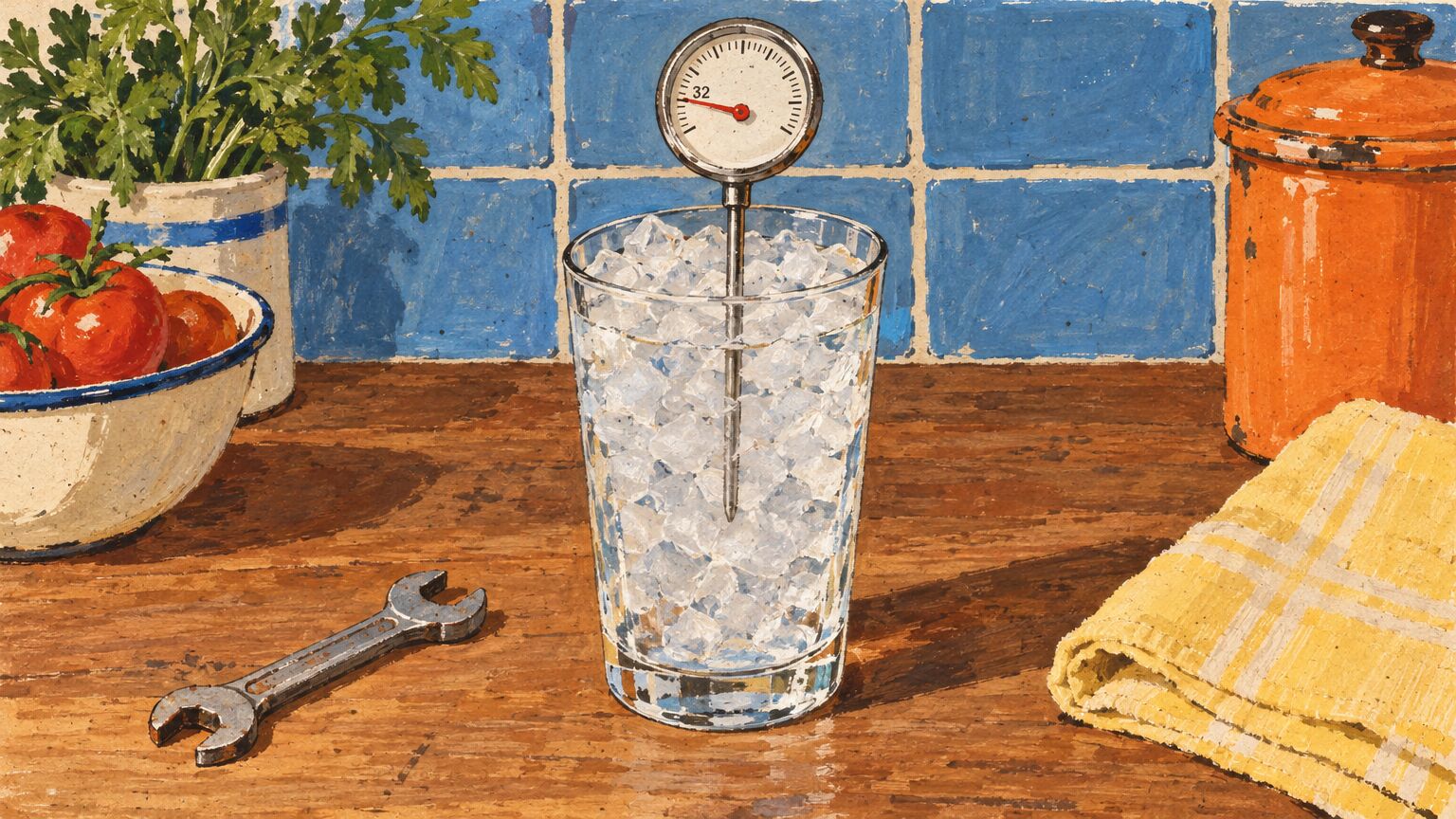 How do you calibrate a meat thermometer?The ice-water check done properly, how to adjust dial and digital thermometers, what to do with a dial that starts at 120 or 140°F (49 or 60°C), and where water really boils at your altitude.
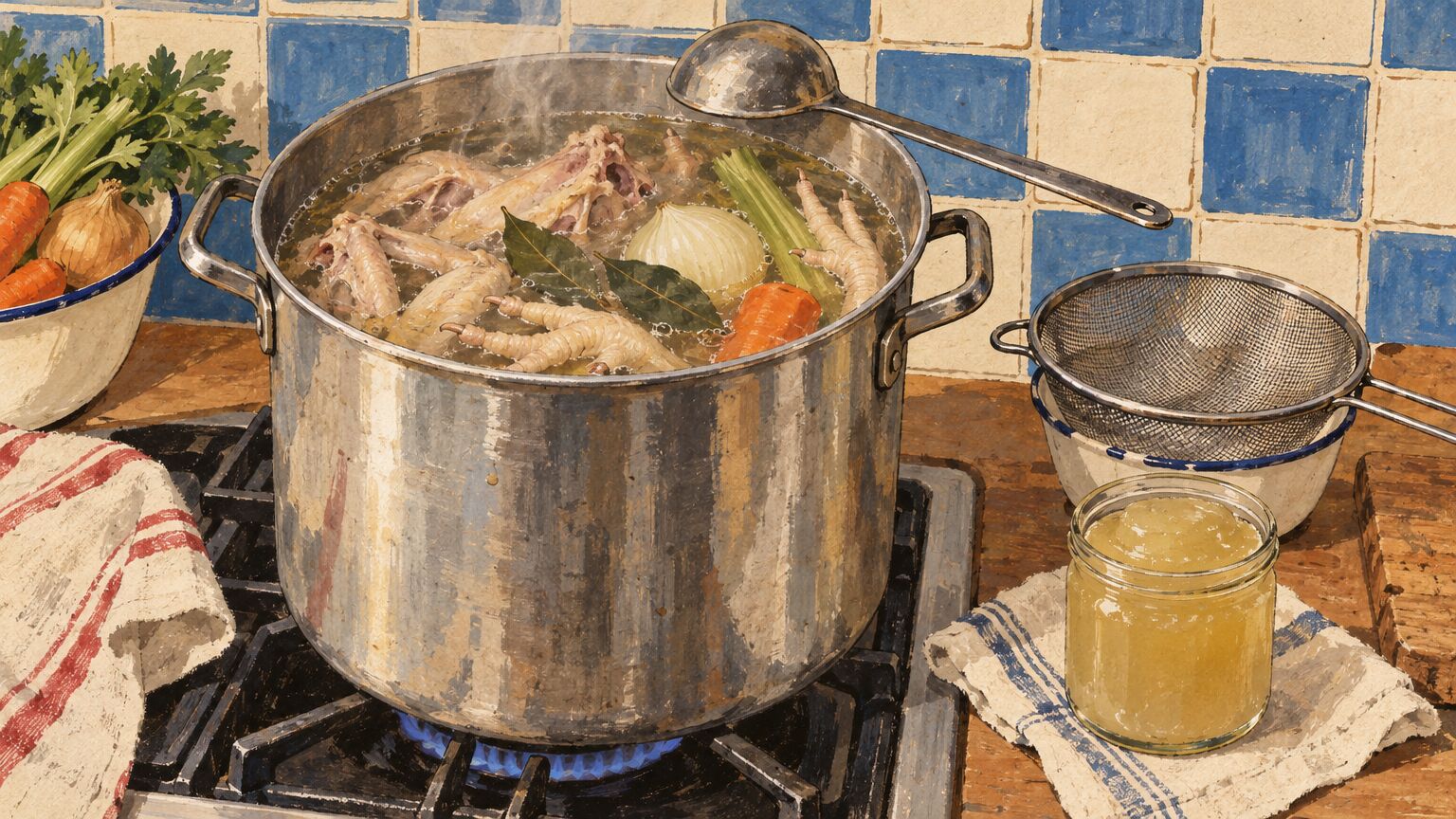 How to make stockHow much water, how long for each kind of bone, what a pressure cooker changes, why stock fails to set and how to fix it, and how to cool and keep it, with the studies behind each number.
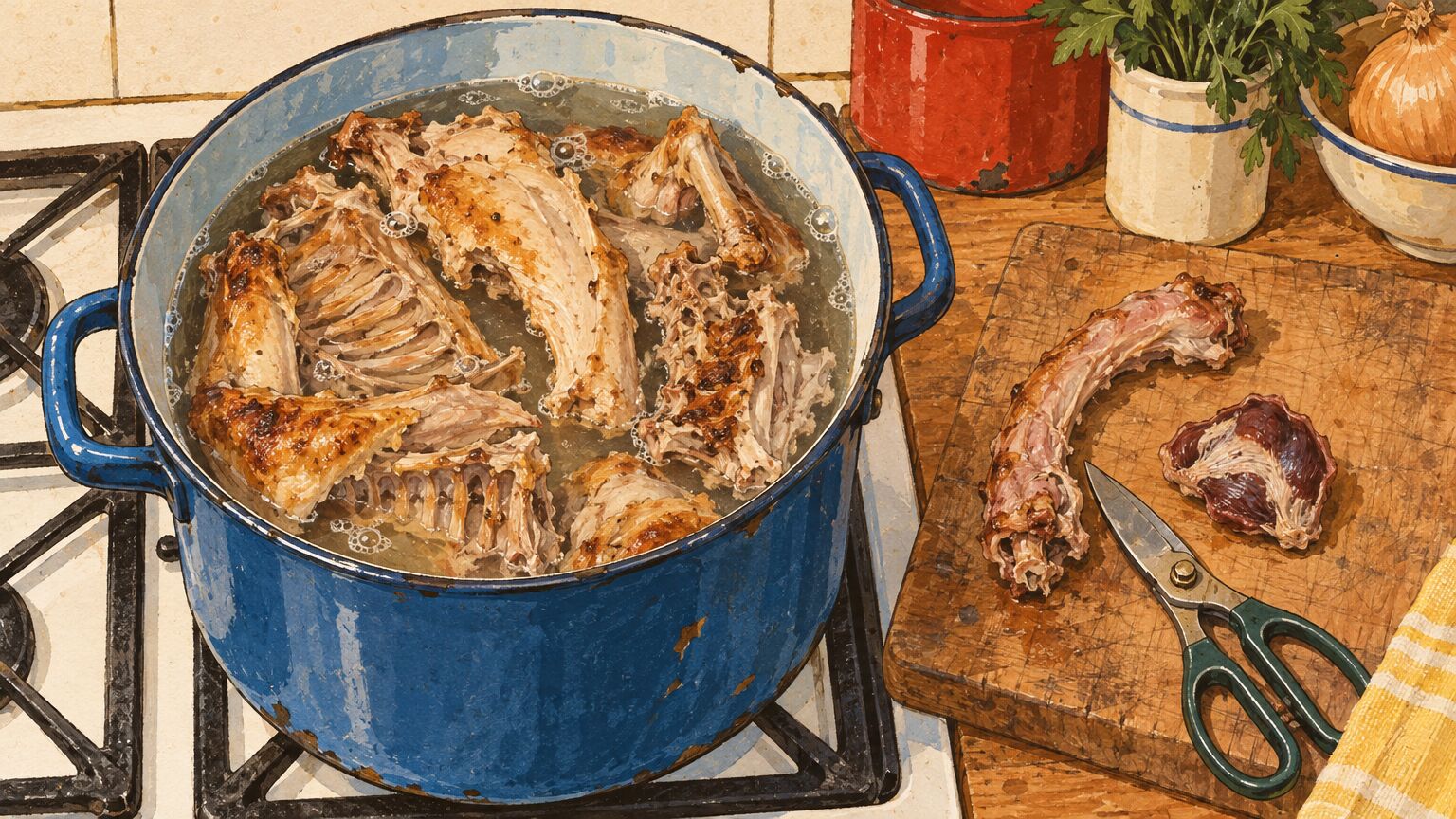 How do you make stock from a turkey carcass?How much water and time a turkey carcass needs, why one left out overnight goes in the trash, and how to read the label before your stock comes out salty.
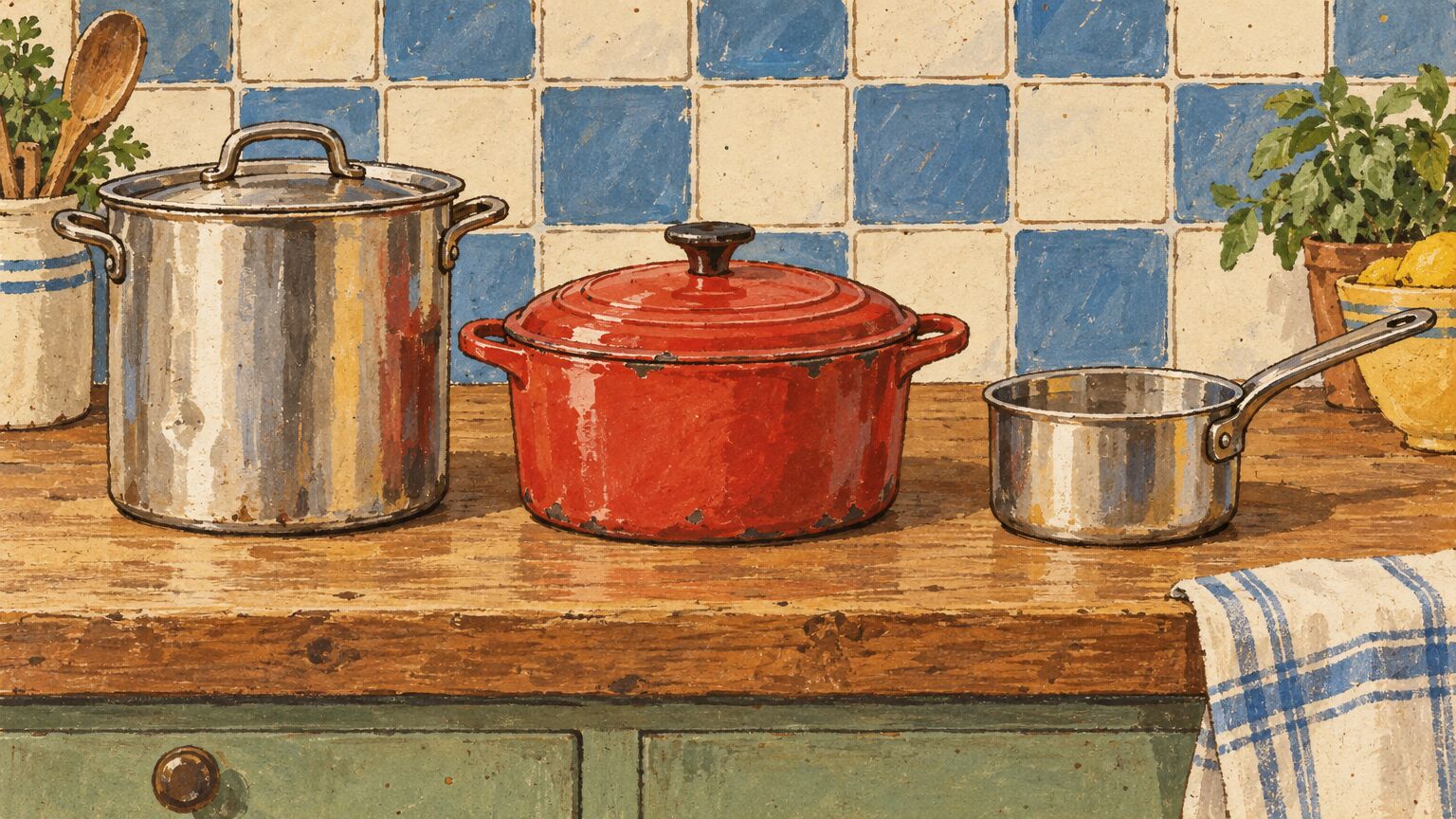 How to choose a potWhich pots a home kitchen needs, what each metal actually does with heat, and how to check a pot in the shop before you buy it.
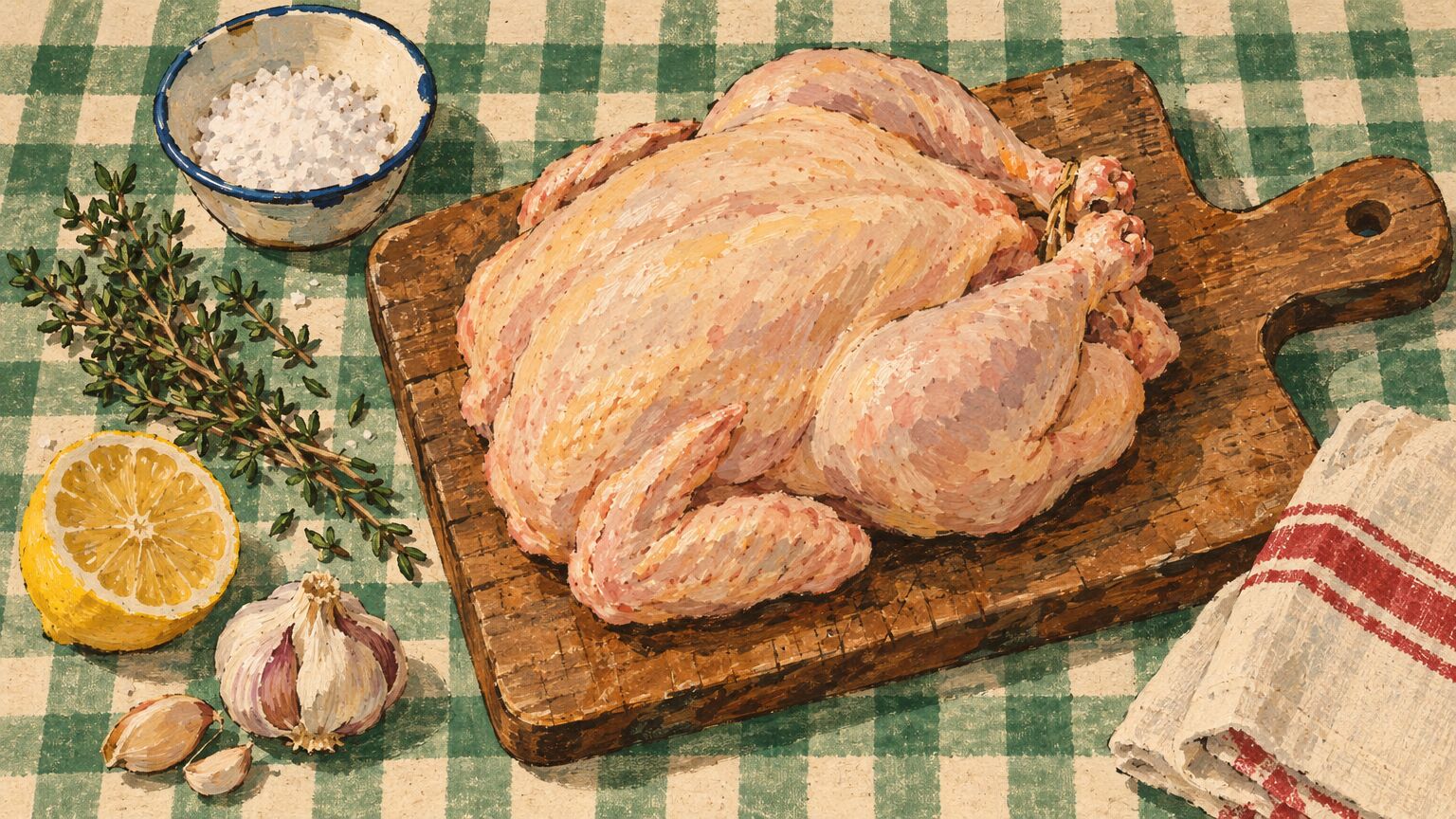 How to prepare raw chickenBuying, storing, thawing, cleaning up, salting, marinating and drying raw chicken, with the numbers from the USDA, the CDC and America's Test Kitchen's tests.
The letters
Get the letters.
Now and then, an email with the newest guides and answers and one kitchen fact worth keeping. Nothing else, and you can leave whenever you like.
Prefer a feed? Follow by RSS.
House rules
Our standardsThe answer comes first
Every page opens with the answer or the decision, in a sentence or two. The reasons, the numbers and the exceptions follow for anyone who wants them.
Numbers you can check
Temperatures in °F and °C, weights in grams, and a link to the source behind every safety figure, so you never have to take our word for it.
Tested means tested
A page says kitchen-tested only when we cooked it and kept notes. Everything else is labeled desk research, and says which sources it rests on.